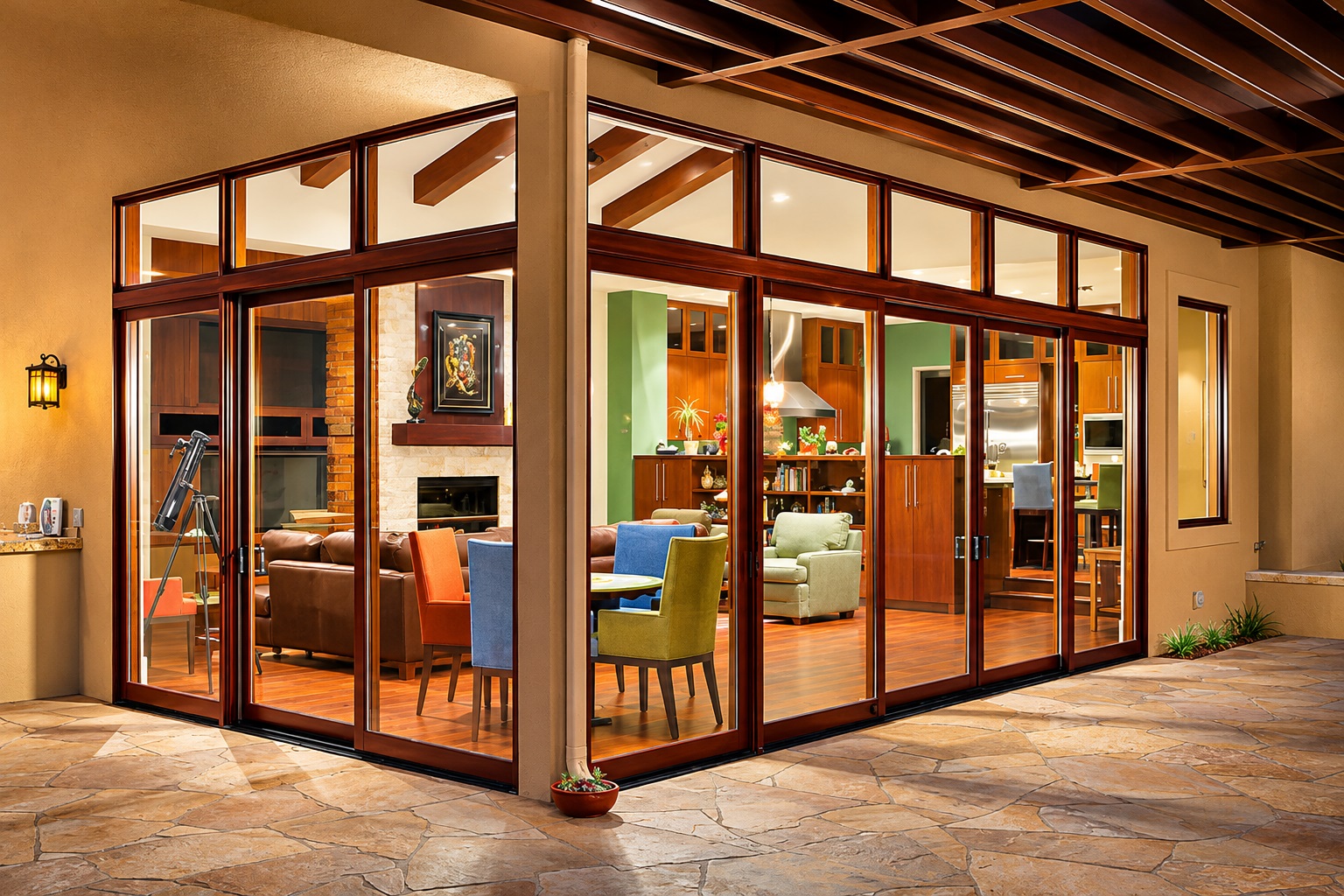
A beautiful home begins with thoughtful architectural details, and windows play a major role in creating a welcoming atmosphere. Choosing wood windows in Boise, ID allows homeowners to combine natural warmth, distinctive craftsmanship, and architectural character. From traditional residences to contemporary custom homes, wood frames introduce texture and sophistication that complement many design preferences. Their versatility makes them particularly appealing when we want interiors to feel connected, comfortable, and visually balanced.
At Viewpoint, LLC, we understand that selecting windows involves more than choosing an attractive frame. Every opening influences how a room looks, feels, and functions throughout the day. Since 1992, we have helped homeowners, architects, and builders select quality window and door solutions that support their architectural goals. With extensive industry experience and a commitment to personalized guidance, we help bring together materials, finishes, and configurations that make each home feel distinctive.
Why Wood Windows Remain a Classic Architectural Choice
Wood has remained a preferred architectural material because its natural appearance complements changing design preferences without losing its distinctive character. Unlike materials that emphasize a uniform appearance, wood offers organic grain patterns, subtle color variations, and inviting textures.
Natural Character That Complements Different Interiors
One of the greatest advantages of wood frames is their ability to complement numerous interior styles. Whether we are working with a mountain-inspired residence, a traditional farmhouse, or a contemporary custom home, carefully selected wood finishes create visual continuity.
Popular design applications include:
- Traditional interiors: Rich wood tones complement decorative trim, detailed cabinetry, and classic furnishings.
- Contemporary spaces: Smooth finishes and streamlined profiles introduce warmth without overwhelming minimalist surroundings.
- Rustic residences: Visible grain patterns coordinate beautifully with natural stone, exposed beams, and textured surfaces.
- Transitional homes: Neutral stains balance traditional craftsmanship with modern architectural simplicity.
These combinations help establish a consistent design language throughout the home.
Architectural Details That Create Lasting Interest
Wood windows also provide opportunities for distinctive detailing. Grilles, divided-light patterns, decorative trim, and carefully proportioned frames can reinforce the architectural identity of a residence.
For example, a traditional home may benefit from symmetrical double-hung windows with classic grille patterns. Meanwhile, a modern residence may favor larger glass areas surrounded by simple wood frames.
We recommend considering the entire architectural composition rather than selecting individual windows independently. Coordinated proportions, finishes, and placement create a more intentional appearance.
Choosing Window Styles That Complement Your Home
The right window style should support both the architectural design and the practical needs of each room. Different configurations influence ventilation, furniture placement, outdoor views, and interior comfort.
Popular Window Configurations for Distinctive Spaces
Several styles work particularly well with natural wood framing:
- Casement windows: Hinged designs provide convenient operation and generous ventilation.
- Double-hung windows: Traditional proportions complement classic residential architecture.
- Picture windows: Expansive glass areas frame outdoor scenery and create attractive focal points.
- Awning windows: Compact configurations offer ventilation while accommodating different room layouts.
- Specialty-shaped windows: Arched, circular, and geometric designs introduce architectural individuality.
Each configuration offers different advantages. Therefore, we encourage homeowners to consider how a window will interact with surrounding walls, furnishings, and exterior features.
Our perspective on selecting window styles for different architectural needs can also help clarify how individual configurations influence a home’s overall appearance.
Matching Window Proportions to Room Design
Window proportions deserve just as much attention as frame materials. Tall windows can emphasize ceiling height, while wide configurations create a stronger visual connection with outdoor surroundings.
For rooms with prominent architectural features, we recommend maintaining balanced spacing between openings. This approach prevents competing focal points and allows individual details to stand out naturally.
In addition, consistent sightlines between adjoining rooms can strengthen visual harmony. When window heights and frame profiles coordinate, interiors feel more unified even when different operating styles are used.
Thoughtful proportions make the entire residence appear carefully planned rather than assembled from unrelated design elements.
Creating Beautiful Interiors With Natural Wood Finishes
Wood finishes influence the atmosphere of a room because they interact with flooring, cabinetry, wall colors, and furniture. Selecting the right tone helps establish a cohesive interior without requiring every surface to match exactly.
Selecting Finishes for a Coordinated Appearance
When considering wood window designs and material options, we recommend evaluating the surrounding interior palette.
Three practical approaches can simplify the selection process:
- Coordinate with existing architectural woodwork. Identify the dominant undertones in flooring, doors, and cabinetry before selecting a frame finish.
- Create intentional contrast. Pair darker wood frames with lighter walls to emphasize architectural openings and introduce visual depth.
- Maintain consistent undertones. Combine warm finishes with complementary natural colors to avoid an appearance that feels disconnected.
A coordinated palette does not require identical wood species throughout the home. Instead, we focus on creating relationships between materials that feel balanced and purposeful.
Using Wood Frames as Interior Design Features
Windows can become decorative elements rather than simply functional openings. Richly finished frames introduce definition around glass, while lighter wood tones create a softer transition between interior surfaces and outdoor scenery.
In dining rooms, coordinated frames can complement built-in cabinetry and traditional furniture. Bedrooms may benefit from understated finishes that support a calm atmosphere.
For living areas, larger window arrangements can highlight surrounding landscapes while reinforcing the home’s architectural character.
We also consider how natural and artificial lighting influence the appearance of wood. A finish that looks subtle in one room may appear considerably warmer in another.
Reviewing material samples under different lighting conditions helps homeowners make selections that remain visually satisfying throughout the day.
Balancing Elegant Design With Everyday Performance
Beautiful windows should also contribute to a comfortable and functional home. Although appearance is important, glass selection, frame construction, installation quality, and operating features all influence long-term satisfaction.
Understanding Energy Performance Features
Modern wood window systems may incorporate insulated glass, low-emissivity coatings, and other performance-focused components.
These features can help manage heat transfer while supporting comfortable interior conditions.
When evaluating window performance, we encourage homeowners to consider:
- U-factor: Indicates the rate of heat transfer through a complete window assembly.
- Solar heat gain coefficient: Describes how much solar radiation passes through the window.
- Air leakage: Measures air movement through the assembly under standardized testing conditions.
- Glass configuration: Influences thermal performance, sound reduction, and overall comfort.
Performance ratings should be considered alongside orientation, climate conditions, and architectural requirements.
For example, windows receiving substantial afternoon sunlight may benefit from different glass specifications than openings facing shaded outdoor areas.
Why Professional Installation Standards Matter
Even an attractive, well-designed window depends on proper installation for reliable operation and performance.
Our experienced team understands the importance of accurate measurements, suitable product selection, and coordination with the surrounding building structure.
We also recognize the value of established industry standards. The American Architectural Manufacturers Association, commonly associated with AAMA certification, has contributed to recognized practices for window and door performance and installation.
Qualified installation professionals help ensure that selected products are integrated appropriately into the home.
Rather than treating installation as an afterthought, we encourage homeowners to consider professional expertise during the earliest planning stages.
This approach supports better coordination between architectural design, product specifications, and the finished appearance.
Planning a Cohesive Window Design Throughout Your Home
Successful window design requires considering the entire residence rather than evaluating each room separately. A consistent approach creates visual rhythm while allowing individual spaces to maintain their own personality.
Establishing a Unified Architectural Direction
Before finalizing window selections, we recommend identifying the home’s primary design characteristics.
Consider the following planning priorities:
- Identify the architectural style. Determine whether traditional detailing, contemporary simplicity, or a transitional appearance best supports the residence.
- Select complementary finishes. Coordinate wood tones with interior trim, flooring, and major architectural elements.
- Evaluate window placement. Consider outdoor views, natural illumination, furniture arrangements, and room functionality.
- Choose appropriate operating styles. Match each configuration to ventilation preferences and accessibility requirements.
- Review the complete design. Confirm that proportions, grille patterns, and frame details remain visually consistent.
These considerations create a practical foundation for confident decisions.
Bringing Individual Rooms Together
A cohesive home does not require every window to look identical. Instead, we can maintain shared design elements while adjusting configurations for different spaces.
For example, a living room may feature an expansive picture window, while nearby bedrooms use operable casement windows. Matching frame finishes and compatible trim profiles can connect these distinct arrangements.
Similarly, specialty windows can introduce personality without disrupting the overall architectural composition.
We recommend reviewing window selections alongside exterior doors, interior finishes, and major architectural features. This broader perspective helps prevent mismatched details and supports a unified appearance.
With thoughtful planning, natural wood frames become part of a complete design story that connects individual rooms and enhances everyday living.
Choosing windows is ultimately about creating spaces that remain welcoming, functional, and visually satisfying as personal preferences evolve.
At Viewpoint, LLC, we believe thoughtful window selection brings together craftsmanship, architectural character, and everyday comfort. Whether we are coordinating natural finishes, selecting distinctive configurations, or planning expansive views, our goal is to help homeowners make confident decisions that complement their surroundings. Our extensive industry experience allows us to provide practical guidance for custom residential projects and carefully considered home improvements. If you are considering wood windows in Boise, ID, we invite you to review our selection of trusted window and door brands and discuss your design goals with our knowledgeable team. Call us at (208) 854-1877 to schedule your consultation and find the right window solutions for your home.