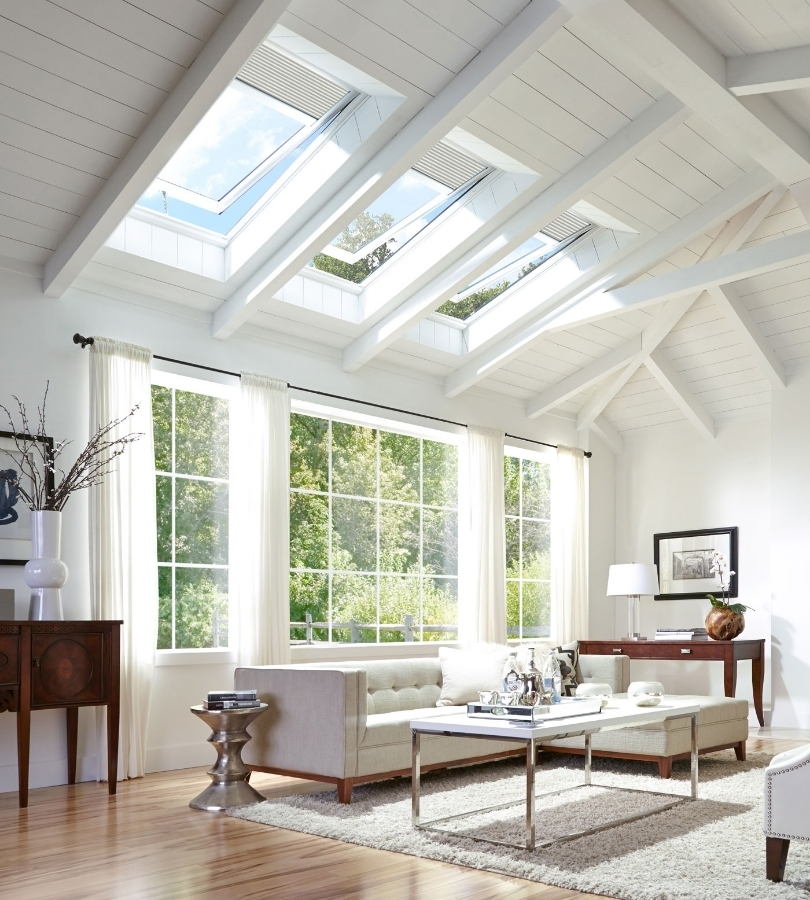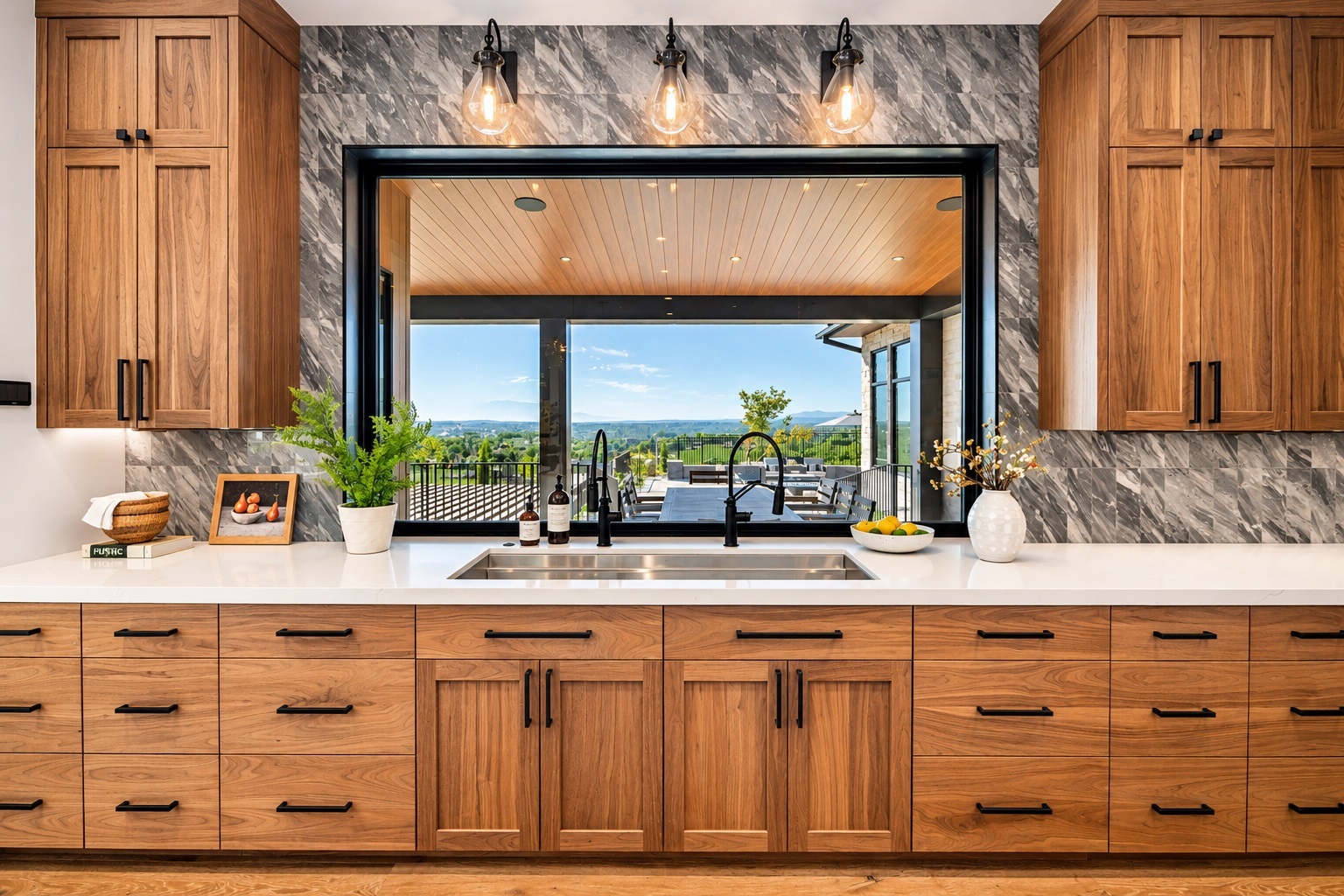
Finding the right windows is about more than choosing attractive frames. It is about creating a home that feels comfortable when temperatures change, outside noise becomes distracting, or certain rooms feel less inviting than others. For homeowners considering Fiberglass Windows Boise, ID, understanding how frame materials, glass, and installation work together can make the selection process easier. Fiberglass windows offer a combination of thermal performance, structural strength, and design flexibility that can make everyday living more pleasant throughout Idaho’s changing seasons.
At Viewpoint Windows, LLC, we believe comfortable homes begin with thoughtful product choices. With decades of experience supplying windows and doors for Idaho homes, we understand that every room has different needs. A sunny living room, a quiet bedroom, and a busy kitchen may benefit from different window configurations. Rather than focusing on appearance alone, we help homeowners consider how their windows will function throughout the day and across the seasons. That approach makes fiberglass an option worth understanding.
What Makes Fiberglass Windows Comfortable?
Fiberglass window frames are made from glass fibers embedded in a resin material. This construction creates a strong, relatively stable frame that can support well-designed window systems without requiring unnecessarily bulky profiles.
Unlike some materials that expand and contract considerably as temperatures change, fiberglass has relatively low thermal expansion. This characteristic can help properly manufactured windows maintain their intended fit through seasonal temperature fluctuations.
For homeowners, these technical qualities translate into several practical benefits:
- More consistent indoor temperatures when paired with suitable insulating glass.
- Reduced exposure to uncomfortable drafts when the complete window is properly sealed.
- Potentially quieter rooms with appropriate glazing and installation.
- Reliable operation supported by stable frame construction.
- Flexible window designs that complement different living spaces.
However, frame material is only one part of performance. Glass selection, weatherstripping, window configuration, and professional installation also influence the final result.
More Consistent Indoor Temperatures Throughout the Year
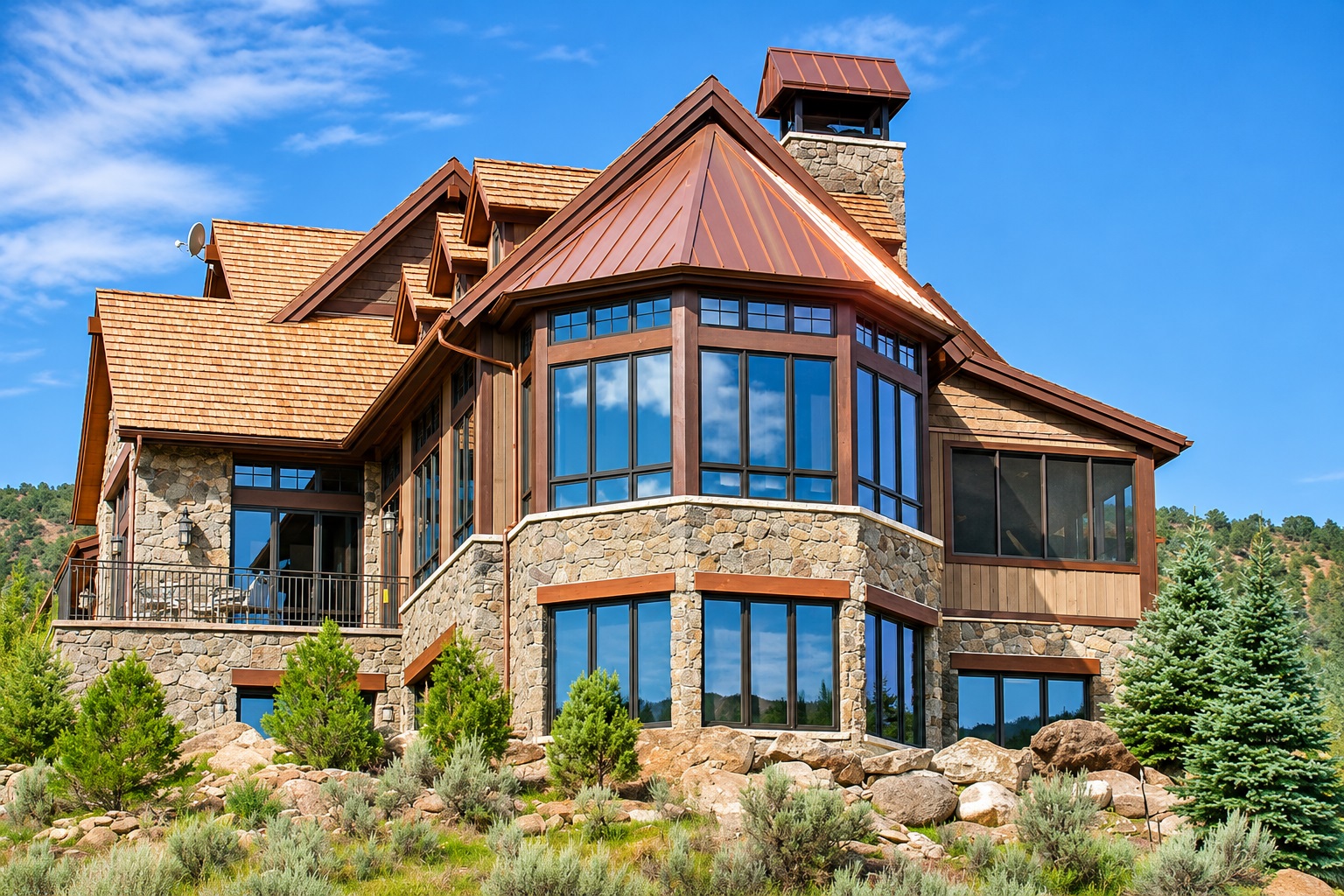
Boise experiences cold winter conditions and warm summer days. Windows must therefore perform under different seasonal demands.
Fiberglass frames can contribute to an effective thermal barrier, helping reduce unwanted heat transfer when combined with an appropriate glazing package.
How Does Fiberglass Help During Winter?
Fiberglass windows can help maintain comfortable indoor conditions by supporting an energy-efficient window assembly.
During colder months, heat naturally moves from warmer indoor spaces toward colder outdoor environments. Windows with suitable insulating glass, low-emissivity coatings, and well-designed frames can slow that process.
We encourage homeowners to consider the entire window’s thermal performance rather than assuming that frame material alone determines comfort.
A window with an appropriate U-factor can help reduce heat loss. Lower U-factor ratings indicate better resistance to heat transfer.
This becomes particularly meaningful in rooms where people spend considerable time near exterior windows, such as living rooms, dining areas, and home offices.
What About Comfort During Summer?
Summer comfort depends partly on controlling unwanted solar heat.
Low-emissivity glass and suitable solar heat gain ratings can help manage how much sunlight-related heat enters a room.
For example, west-facing windows may receive intense afternoon sun. Choosing the right glass package can make these spaces more comfortable without necessarily sacrificing the natural daylight homeowners enjoy.
We recommend considering window orientation, room usage, and available shading when evaluating glass options.
A Quieter Home for Everyday Activities
Outside noise can interfere with conversations, concentration, and relaxation. Although fiberglass frames are structurally stable, meaningful sound reduction depends primarily on the complete window system.
Glass thickness, laminated glass options, insulating glass construction, airtightness, and installation all influence acoustic performance.
For homeowners near busy streets or active neighborhoods, these details deserve attention.
We suggest identifying which rooms would benefit most from improved sound control before selecting window specifications.
Where Can Sound-Reducing Windows Make a Difference?
Different spaces have different acoustic priorities:
| Room | Common Comfort Concern | Window Feature to Consider |
| Bedroom | Traffic or neighborhood noise | Acoustic glazing |
| Home office | Outside distractions | Sound-rated window assembly |
| Living room | Street activity | Insulating glass and airtight seals |
| Nursery | Disruptive exterior sounds | Suitable laminated glass |
Not every fiberglass window provides the same level of sound reduction. We recommend reviewing available acoustic ratings, such as Sound Transmission Class (STC), when noise control is a priority.
How Stable Frames Support Daily Comfort
A window should feel dependable every time someone opens, closes, or sits beside it.
Fiberglass has favorable strength and dimensional stability characteristics, making it suitable for a variety of residential window configurations.
Because the material responds relatively little to temperature changes, it can help support consistent frame geometry across seasonal conditions.
That stability matters for more than appearance. A properly designed and installed window depends on accurate alignment between its frame, sash, seals, and operating hardware.
For a closer look at how these characteristics relate to window selection, our article on fiberglass window strength and weather resistance provides additional context.
Why Does Installation Quality Matter?
Even a well-engineered window needs proper installation to achieve its intended performance.
Correct positioning, appropriate flashing, and careful sealing help the window assembly manage air and moisture exposure.
Installation also affects operation and the overall connection between the window and surrounding wall.
We believe homeowners should evaluate product quality and installation expertise together. Neither should be treated as an afterthought when comfort is the goal.
Choosing Features That Match Your Daily Routine
Comfort means different things in different homes. Some homeowners prioritize fresh air, while others want fewer temperature fluctuations or a more peaceful sleeping environment.
We recommend starting with everyday activities rather than selecting window features solely from a catalog.
Consider these priorities in order:
- Identify uncomfortable rooms. Notice where sunlight, temperature differences, or outside noise affect daily activities.
- Consider window orientation. South-facing and west-facing rooms may have different solar-control needs than north-facing rooms.
- Choose suitable operating styles. Casement, awning, and other available configurations offer different ventilation characteristics.
- Evaluate glazing performance. Compare U-factor, solar heat gain coefficient, and acoustic ratings where relevant.
- Discuss the complete assembly. Frame construction, glass, hardware, and installation should work together.
These considerations help turn a broad product search into a more focused conversation about what each room actually needs.
Homeowners interested in specific material options can review our fiberglass window product selection to better understand the category before discussing suitable configurations.
How Fiberglass Windows Fit Different Living Spaces
One advantage of fiberglass is its versatility across residential designs. The material can support window styles suited to traditional architecture, contemporary homes, and custom construction.
However, the best configuration depends on how the space is used.
Living Rooms and Gathering Areas
Living rooms benefit from comfortable seating areas, balanced daylight, and views that connect the interior with the outdoors.
Fixed windows may be appropriate where ventilation is unnecessary, while operable units can provide fresh air when outdoor conditions allow.
We recommend balancing glass area with thermal and solar performance, particularly when planning expansive window arrangements.
Bedrooms and Personal Spaces
Bedrooms benefit from temperature consistency, appropriate ventilation, and thoughtful sound control.
Depending on the home’s layout, an operable window may also need to meet applicable emergency escape and rescue opening requirements.
We encourage homeowners to consider those requirements alongside comfort and appearance.
Kitchens and Home Offices
Kitchens can benefit from accessible ventilation, while home offices may place greater importance on managing glare and distracting outdoor sounds.
Window placement and operating style can influence how comfortably these spaces function.
Rather than assuming every room needs identical windows, we recommend selecting configurations based on actual daily use.
Important Performance Ratings to Understand
Window ratings make it easier to compare products using measurable information instead of general marketing descriptions.
The following ratings are especially useful when evaluating comfort:
| Rating | What It Measures | Why It Matters |
| U-factor | Heat transfer through the window | Lower values indicate better insulation |
| SHGC | Solar heat admitted through glass | Helps manage summer heat and winter solar gain |
| Air leakage | Air passing through the assembly | Lower leakage can reduce drafts |
| STC | Resistance to airborne sound transmission | Higher ratings generally indicate better sound reduction |
| Visible transmittance | Amount of visible light entering | Helps balance daylight and glare |
No single rating determines whether a window is right for a particular home.
We recommend reviewing these measurements together, accounting for Boise’s seasonal conditions and each room’s exposure.
Common Questions About Fiberglass Window Comfort
Homeowners frequently want to know how fiberglass compares with other options and what benefits they can reasonably expect.
Are Fiberglass Windows Energy Efficient?
Yes, fiberglass windows can be energy efficient when they include suitable glazing, effective seals, and proper installation.
Actual performance varies by product. We recommend comparing certified whole-window ratings rather than relying on material descriptions alone.
Can Fiberglass Windows Reduce Condensation?
Energy-efficient window assemblies may reduce the likelihood of interior surface condensation by keeping interior glass surfaces warmer during cold weather.
However, condensation also depends on indoor humidity, outdoor temperature, and ventilation. Fiberglass frames cannot eliminate condensation under every condition.
Are Fiberglass Windows Suitable for Idaho’s Changing Weather?
Yes. Fiberglass’s dimensional stability makes it a practical material to consider where seasonal temperature changes are significant.
The complete window must still be selected for the home’s exposure, climate, and performance requirements.
Make Everyday Comfort Part of Your Window Selection
A comfortable home is shaped by countless everyday moments, from enjoying a quiet morning to relaxing beside a window on a cold evening. The right fiberglass window system can contribute to more consistent indoor temperatures, manageable sunlight, dependable operation, and reduced outside noise when its components are chosen appropriately. At Viewpoint Windows, LLC, we help homeowners connect these performance considerations with the way they actually use their spaces. If you are considering Fiberglass Windows Boise, ID, review our available window and door products and call (208) 854-1877 to discuss fiberglass window configurations, glass performance, and the comfort priorities of your Boise home.